The Tangy Homemade Loaf That Turns Heads at First Bite
Some bread recipes are good. Some are memorable. And then there are recipes like this Dill Pickle Sourdough that have people stopping mid-bite just to figure out what they’re tasting.
The first time I baked this loaf, it happened almost by accident. I had a jar of dill pickles sitting in the fridge with plenty of leftover pickle juice, and like most people, I hated the idea of pouring it down the drain. Instead, I decided to experiment with it in a sourdough loaf.
I wasn’t expecting much.
What came out of the oven completely changed my mind.
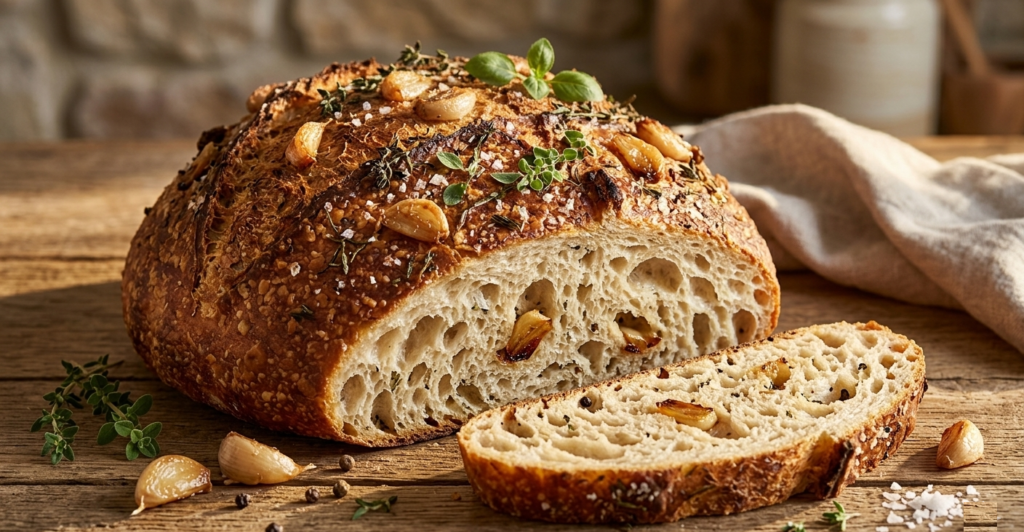
The crust baked up beautifully golden and crisp, while the inside stayed soft, chewy, and packed with little bursts of dill pickle flavor. The pickle juice added a subtle tang that blended surprisingly well with the natural sourness of the sourdough starter.
The result wasn’t overpowering or overly salty.
It was balanced, unique, and honestly hard to stop eating.
If you’re someone who loves artisan bread, homemade sourdough, or anything pickle-flavored, this loaf deserves a spot in your baking rotation.
Why You’ll Love This Dill Pickle Sourdough
This isn’t your everyday sourdough loaf.
Bold Flavor Without Being Overwhelming
The pickle juice brings a bright, tangy flavor that complements the sourdough rather than competing with it.
Amazing Texture
You get everything people love about artisan bread:
- Crispy crust
- Chewy interior
- Open crumb
- Moist texture
Great Way to Use Leftover Pickle Juice
Instead of throwing away that flavorful liquid, you can transform it into something genuinely delicious.
Perfect for Sandwiches
This bread makes incredible:
- Grilled cheese
- Turkey sandwiches
- Reuben sandwiches
- Tuna melts
- Ham and Swiss sandwiches
A Guaranteed Conversation Starter
Trust me.
The second someone hears the words “Dill Pickle Sourdough,” they’re going to want a slice.
Ingredients
For the Dough
- 1 cup active sourdough starter
- 3¼ cups bread flour
- 1 cup warm dill pickle juice
- ½ cup chopped dill pickles
- 1 tablespoon fresh dill
- 1 teaspoon salt
- 1 teaspoon sugar
- 1 tablespoon olive oil (optional)
For Garnish
- Extra chopped dill
- Thin pickle slices
How to Make Dill Pickle Sourdough
Step 1: Mix the Dough
In a large mixing bowl combine:
- Active sourdough starter
- Warm pickle juice
- Sugar
Stir until combined.
Add the bread flour and mix until a shaggy dough forms.
Now add:
- Chopped pickles
- Fresh dill
- Salt
Mix until evenly distributed.
Cover the bowl and allow the dough to rest for 30 minutes.
This resting period helps the flour absorb moisture and improves texture.
Step 2: Stretch and Fold
Over the next 2 hours, perform stretch-and-folds every 30 minutes.
This strengthens the dough without heavy kneading.
After the final fold, cover the dough and allow it to rise at room temperature for 4 to 5 hours or until nearly doubled.
Step 3: Shape the Loaf
Lightly flour your work surface.
Turn the dough out carefully.
Shape it into a round boule by gently pulling the outer edges underneath.
Avoid pressing out all the air.
Those trapped air pockets help create a beautiful crumb structure later.
Place the shaped dough into a well-floured banneton basket or a bowl lined with a floured kitchen towel.
Step 4: Cold Proof Overnight
Cover the dough and place it in the refrigerator overnight.
This step is where the magic happens.
The slow fermentation develops deeper flavor, improves texture, and makes the dough easier to score before baking.
If you have time, don’t skip this step.
Step 5: Bake
Place a Dutch oven into your oven and preheat to 475°F (245°C).
Allow the Dutch oven to heat for at least 30 minutes.
Carefully transfer the cold dough onto parchment paper.
Using a bread lame or sharp knife, score the top.
Transfer the dough into the hot Dutch oven.
Bake:
- 25 minutes covered
- 20 minutes uncovered
The loaf should be deep golden brown with a crisp crust.
Allow it to cool completely before slicing.
Pro Tips for Success
Taste Your Pickle Juice First
Every pickle brand is different.
Some are much saltier than others.
Adjust the added salt if necessary.
Use Fresh Dill Whenever Possible
Fresh dill gives the loaf a brighter, cleaner flavor than dried dill.
Don’t Rush Fermentation
Good sourdough rewards patience.
The longer fermentation helps create better flavor and texture.
Flour Generously During Shaping
The pickle juice increases hydration, making the dough slightly stickier than standard sourdough.
Let the Bread Cool
Cutting too soon can result in a gummy interior.
Give it at least one hour before slicing.
Delicious Variations
Garlic Dill Pickle Sourdough
Add 1 teaspoon garlic powder or 2 cloves minced garlic.
Cheddar Dill Pickle Bread
Mix in ½ cup shredded sharp cheddar cheese.
The combination is incredible.
Everything Bagel Version
Add 1 tablespoon everything bagel seasoning to the dough.
Bacon Pickle Sourdough
Fold in crispy bacon pieces during the final mixing stage.
Spicy Pickle Loaf
Use spicy dill pickles and add crushed red pepper flakes.
What to Serve with Dill Pickle Sourdough
This bread works surprisingly well with many meals.
Try serving it with:
- Potato soup
- Tomato soup
- Chili
- Smoked salmon
- Cream cheese
- Egg salad
- Chicken salad
- Deli sandwiches
It also makes fantastic toast.
A little butter on a warm slice is hard to beat.
Storage Instructions
Room Temperature
Store wrapped in a clean kitchen towel for up to 3 days.
Refrigerator
Not recommended.
The bread can dry out faster.
Freezer
Slice the loaf before freezing.
Store in a freezer-safe bag for up to 3 months.
Toast slices directly from frozen.
Frequently Asked Questions
Can I skip the overnight cold proof?
Technically yes, but you’ll lose some of the flavor and texture benefits.
Overnight proofing produces the best results.
Why is my dough sticky?
The pickle juice increases hydration.
This is completely normal.
Use lightly floured or damp hands when handling the dough.
Can I use dried dill?
Yes.
Use 1 teaspoon dried dill in place of 1 tablespoon fresh dill.
Can I make this without a Dutch oven?
Yes.
A baking stone or baking sheet can work, although the crust may not be quite as crisp.
What pickles work best?
Classic dill pickles produce the best flavor.
Avoid sweet pickles for this recipe.
Can I add cheese?
Absolutely.
Sharp cheddar pairs beautifully with dill pickle flavors.
How do I know when the loaf is done?
The crust should be deep golden brown.
The internal temperature should reach approximately 200–210°F.
Final Thoughts
Dill Pickle Sourdough might sound unusual at first, but one slice is usually enough to turn skeptics into fans.
The combination of tangy pickle juice, fresh dill, chewy sourdough crumb, and crackly artisan crust creates a loaf that’s anything but ordinary.
It’s bold without being overpowering, unique without being gimmicky, and packed with enough flavor to stand on its own or elevate your favorite sandwich.
If you’ve been looking for a sourdough recipe that’s a little different from the usual, this tangy loaf might become your new favorite bake.