
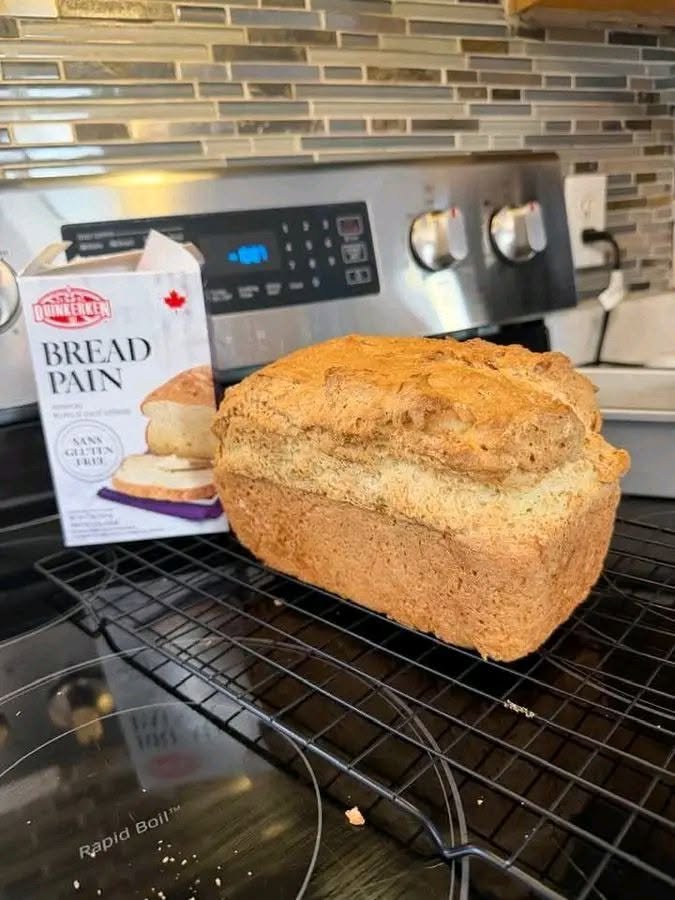
This Homemade Sourdough French Bread has everything you love about classic bakery-style bread: a beautifully golden, crispy crust and a soft, chewy, tender center. Made with an active sourdough starter, this loaf develops a delicious flavor and wonderful texture through natural fermentation.
It’s perfect for serving alongside soups, pasta, salads, or your favorite dinner dishes. You can also slice it for sandwiches, toast it for breakfast, or simply enjoy it with butter and olive oil.
The best part? You only need a few simple ingredients to make this beautiful homemade bread!
Recipe Information
- Prep Time: 30 minutes
- Fermentation Time: 6–8 hours (approximately, depending on temperature and starter activity)
- Cook Time: 25–30 minutes
- Total Time: Approximately 7–9 hours
- Servings: 1 large loaf
- Cuisine: French-inspired
- Course: Bread
Ingredients
- 500 g bread flour
- 350 g water (room temperature)
- 100 g active sourdough starter (100% hydration)
- 10 g salt
- 1 teaspoon honey (optional)
Equipment
- Large mixing bowl
- Kitchen scale
- Dough scraper
- Clean kitchen towel
- Baking sheet or baguette pan
- Sharp bread lame or razor blade
- Cooling rack
Instructions
Step 1: Mix the Dough
In a large mixing bowl, combine the water and active sourdough starter. Stir until the starter is mostly dissolved.
Add the bread flour and mix until no dry flour remains. The dough will look slightly sticky and rough, which is completely normal.
Cover the bowl and let the dough rest for 30–45 minutes.
Step 2: Add the Salt
Sprinkle the salt over the dough. Add honey if using.
Work the salt into the dough using your hands until everything is evenly incorporated.
Step 3: Stretch and Fold
Perform a series of stretch-and-folds to help develop the dough structure.
Grab one side of the dough, stretch it upward gently, and fold it toward the center. Rotate the bowl and repeat on all four sides.
Repeat this process every 30 minutes for the first 2 hours.
By the end, the dough should feel smoother, stronger, and more elastic.
Step 4: Bulk Fermentation
Cover the bowl and allow the dough to ferment at room temperature until it looks noticeably puffy and has increased in volume by approximately 50–75%.
This may take around 3–5 additional hours, depending on room temperature and starter strength.
Look for small bubbles and a lighter, airier texture.
Step 5: Shape the Bread
Lightly flour your work surface and gently transfer the dough onto it.
Shape the dough into a rectangle. Fold the top edge toward the center, then fold the bottom edge upward.
Roll the dough gently into a long loaf, sealing the seam with your fingertips.
Shape the ends slightly to create a traditional French bread appearance.
Step 6: Final Proof
Place the shaped loaf seam-side down on a lightly floured baking sheet or seam-side up in a floured couche.
Cover with a clean kitchen towel and let it rise for approximately 1–2 hours, or until slightly puffy.
The dough should feel airy but still hold its shape.
Step 7: Score the Dough
Preheat your oven to 230°C (450°F).
Using a sharp bread lame or razor blade, make 3–4 diagonal slashes across the top of the loaf.
These cuts allow the bread to expand properly while baking and create its beautiful bakery-style appearance.
Step 8: Bake
Place the bread in the preheated oven.
Add steam during the first part of baking by using a suitable oven-safe steam tray or another safe steam method.
Bake for approximately 25–30 minutes, until the crust becomes deeply golden and crisp.
For a crispier crust, allow the bread to bake until it develops a rich golden-brown color.
Step 9: Cool Before Slicing
Remove the bread from the oven and transfer it to a cooling rack.
Allow it to cool for at least 45–60 minutes before slicing.
This resting time helps the inside finish setting and prevents a gummy texture.
Enjoy your homemade sourdough French bread!
Tips for Perfect Sourdough French Bread
- Use an active starter: Your starter should be bubbly, recently fed, and strong enough to raise bread.
- Watch the dough, not the clock: Fermentation time changes depending on room temperature and starter activity.
- Don’t skip stretch and folds: They help build gluten strength and create a better bread structure.
- Avoid adding too much flour: A slightly tacky dough helps produce a soft interior.
- Create steam while baking: Steam helps the loaf develop a crisp, beautiful crust.
- Let it cool completely: Cutting too early can make the inside gummy.
Frequently Asked Questions
1. Can I use all-purpose flour instead of bread flour?
Yes! All-purpose flour can work, although bread flour generally provides better gluten development and a chewier texture.
2. How do I know when my sourdough starter is ready?
A healthy, active starter should be bubbly, show noticeable growth after feeding, and smell pleasantly tangy. It should be strong enough to raise dough.
3. Why is my sourdough French bread dense?
Dense bread can result from an inactive starter, insufficient fermentation, weak dough development, or shaping issues. Make sure your dough becomes noticeably airy before shaping.
4. Can I prepare the dough overnight?
Yes! After the initial mixing and stretch-and-fold process, you can refrigerate the covered dough for a slow fermentation. Allow it to warm up and continue fermenting if needed before shaping.
5. How should I store sourdough French bread?
Once completely cooled, store the loaf in a paper bread bag or bread box at room temperature for up to 2 days for the best texture.
6. Can I freeze sourdough French bread?
Absolutely! Slice the completely cooled loaf, place the slices in a freezer-safe bag, and freeze for up to 3 months. Reheat slices directly from frozen.
What to Serve with Sourdough French Bread
This homemade bread is delicious alongside:
- Creamy tomato soup
- Homemade pasta dishes
- Fresh garden salads
- Roasted chicken
- Garlic butter
- Olive oil and balsamic vinegar
- Cheese and vegetable platters
Final Thoughts
There is something special about pulling a freshly baked loaf of sourdough French bread from the oven. The golden crust, soft center, and naturally developed sourdough flavor make every slice worth the wait.
Whether you’re serving it with dinner, making sandwiches, or enjoying a warm slice with butter, this homemade loaf is sure to become a favorite in your kitchen!
